When your facility is pulling four-figure amperage and climbing, a low voltage electrical enclosure stops being just a box. It becomes critical infrastructure—the kind where mistakes show up as smoke, not in the fine print.
At that scale, current density isn't an academic exercise. It's survival.
The Reality of Moving Serious Current
Copper, aluminum, brass—each material has a comfort zone for current flow. Push too hard chasing "optimization," and you get heat, losses, and unscheduled downtime instead. Smart engineers understand this. They right-size the busbar and connection areas so current flows smoothly, not like a highway pileup. That means:
- Respecting conservative current density limits for conductors and termination points
- Designing cooling surfaces that can handle 1200 to 3000 amperes without turning into hotspots
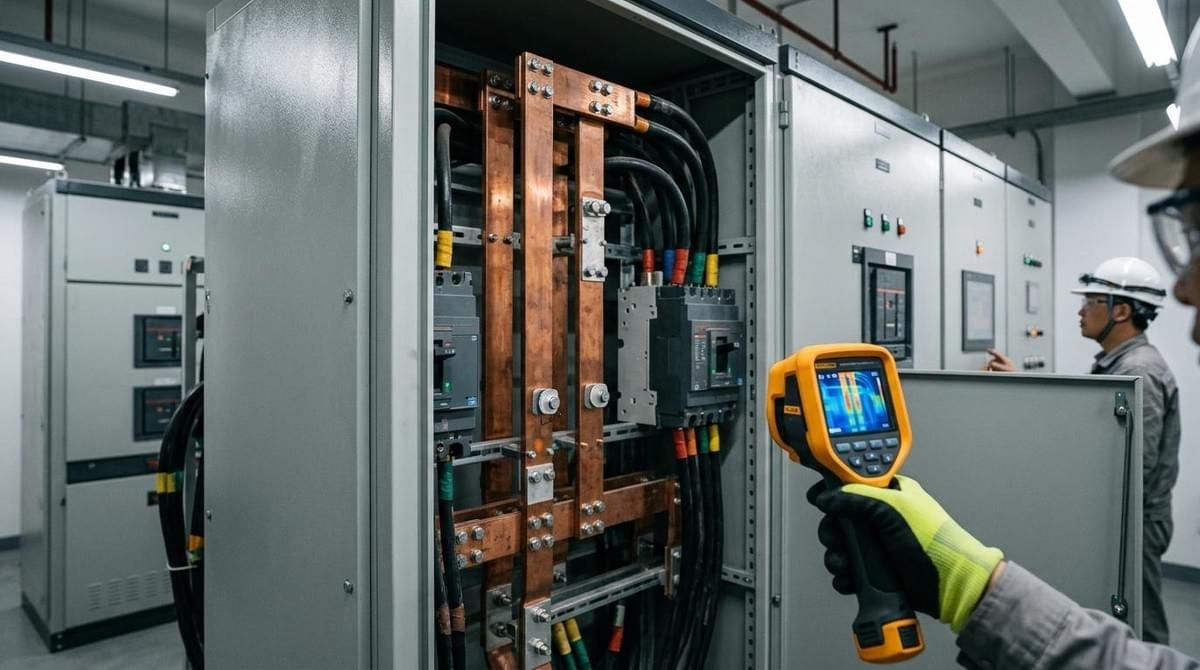
- Measuring actual temperature rise under real operating conditions, not just nameplate assumptions
- Planning for the grid as it actually behaves—with demand spikes, harmonics, and thermal stress that doesn't follow textbook curves
Modern design standards give engineers more flexibility. They also demand more responsibility. The question isn't anymore "does this pass code?" It's "will this cabinet stay cool, efficient, and reliable running at full load 24/7 in the actual conditions we're deploying it?"
Where Margins Meet Reality
There's a sweet spot between oversized equipment eating floor space and undersized gear that fails under stress. Finding it takes experience with how switchgear actually performs when real current flows through real connections in real buildings—under real weather, real dust, real thermal cycling.
Cutting margins here isn't optimization. It's just deferred failure.
How We Handle This Complexity
We deliver high-performance, reliable power system solutions and engineering services across the full spectrum—from compact low voltage switchgear through complete EPC project delivery.
What that actually means:
- Smart enclosure design that keeps current density in the safe zone while fitting into the space you have
- Integrated renewable energy so you're not fighting wind and solar volatility with undersized switchgear
- Energy digitalization: real-time thermal monitoring, predictive analytics, visibility into what's actually happening inside your cabinets
- Full lifecycle support: from concept design through commissioning, with one partner responsible for the whole result
We help you transform demanding power requirements into stable, predictable, profitable operations—while making sure your electrical enclosures don't fail from the inside out.
Ready to handle whatever current your facility demands? Let's talk.